01
Design in the cloud
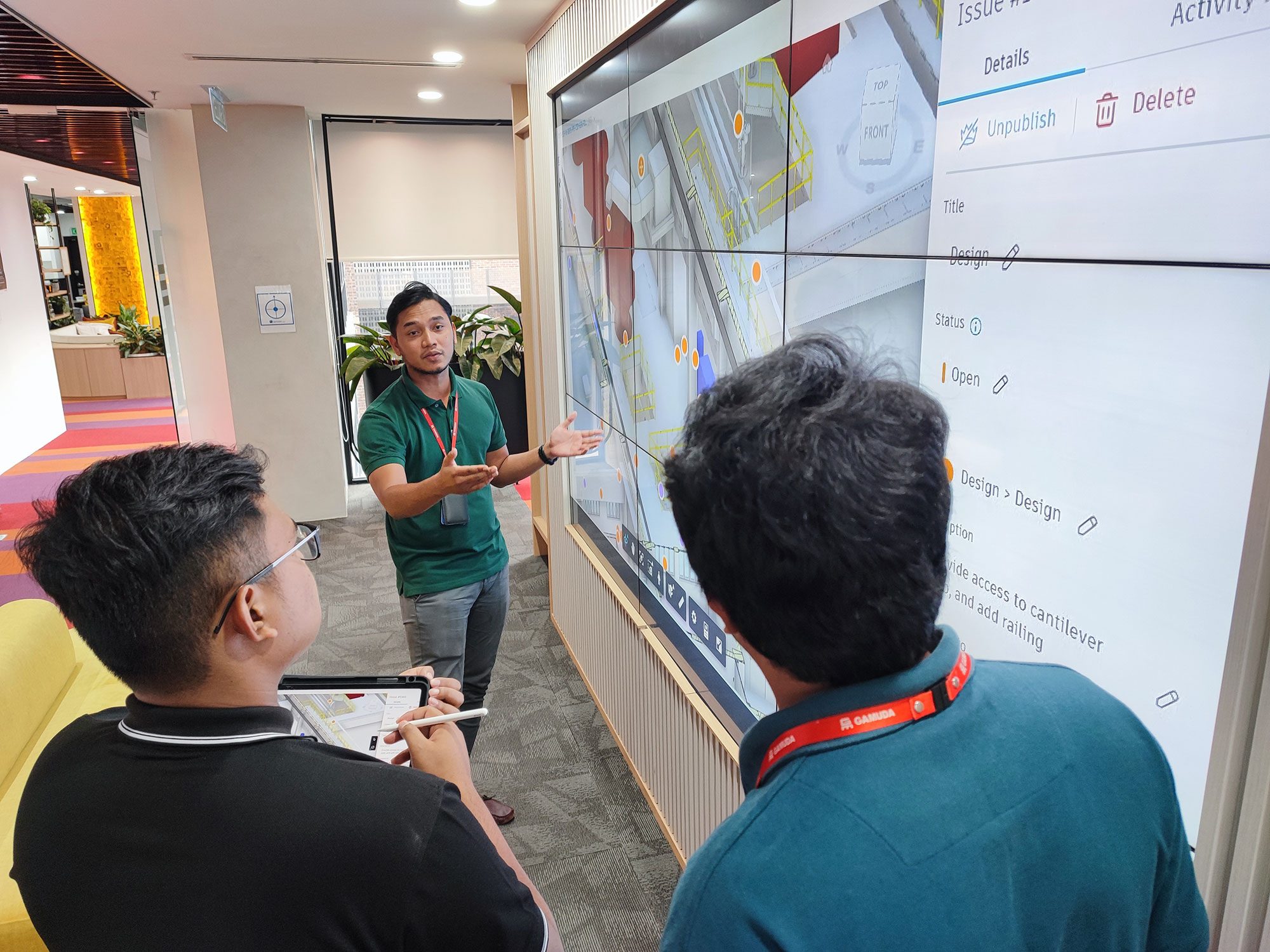
The whole building is resolved in a shared, cloud-based model before anything is made. Designers, the client and the factory work from the same information, so clashes are caught on screen rather than on site.

Gamuda's Next-Generation Digital IBS turns a building into a kit of precise parts. They're made in a factory and put together on site, which is how data centres go up in months rather than years.
faster delivery than conventional construction
less embodied carbon
less reliance on foreign labour
Malaysia's first Digital IBS facility opens in Sepang
Gamuda's factories in Banting and Sepang have Malaysia's largest Digital IBS manufacturing capacity. They supplied AIMS Cyberjaya Blocks 2 and 3, the Elmina Business Park hyperscale data centre and a growing list of other data centre projects.
The whole building is resolved in a shared, cloud-based model before anything is made. Designers, the client and the factory work from the same information, so clashes are caught on screen rather than on site.
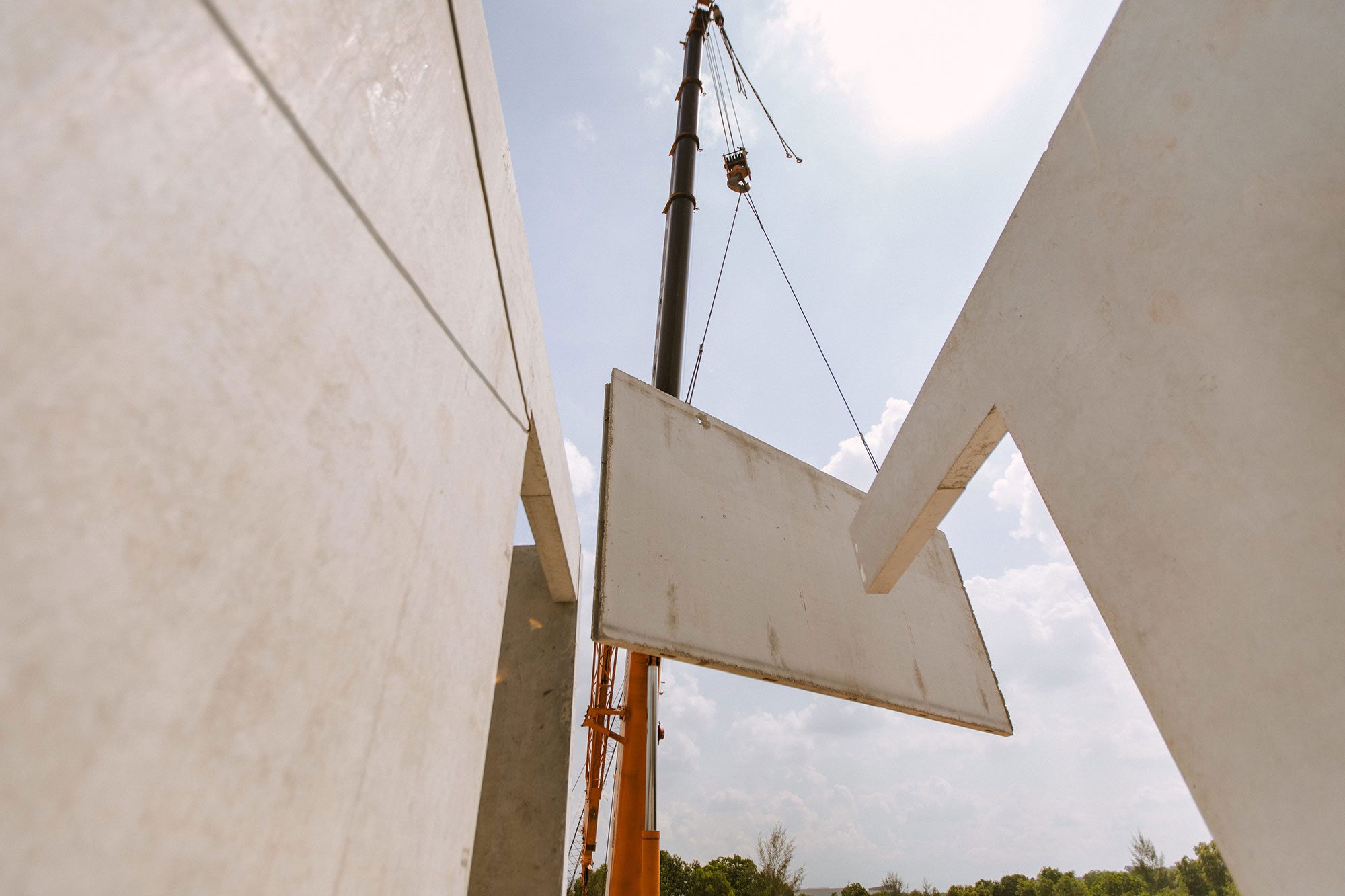
The model is broken into parts the factory can make: wall panels, slabs, columns and volumetric pods. Each part has a tag, a sequence and a place on the program.
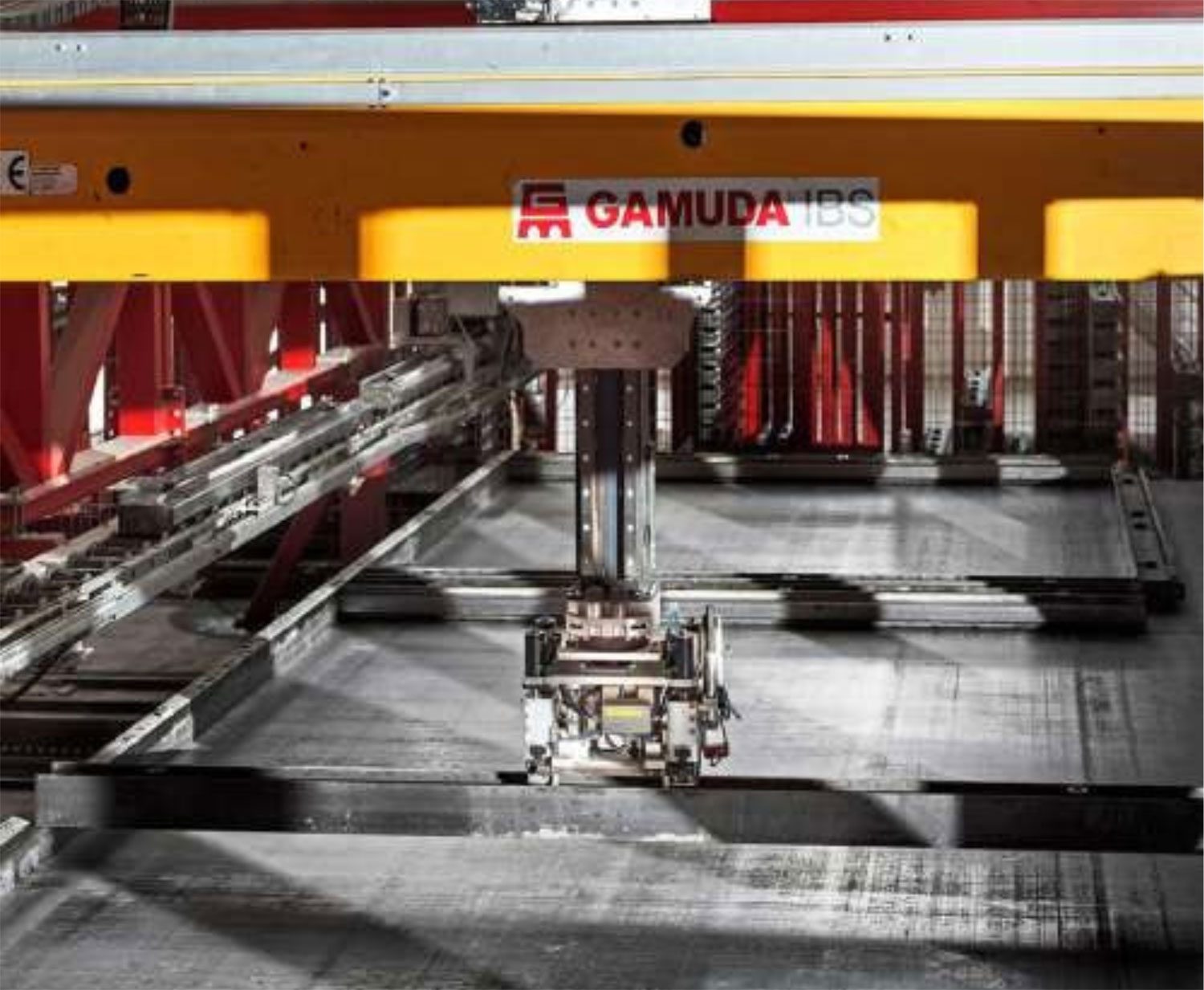
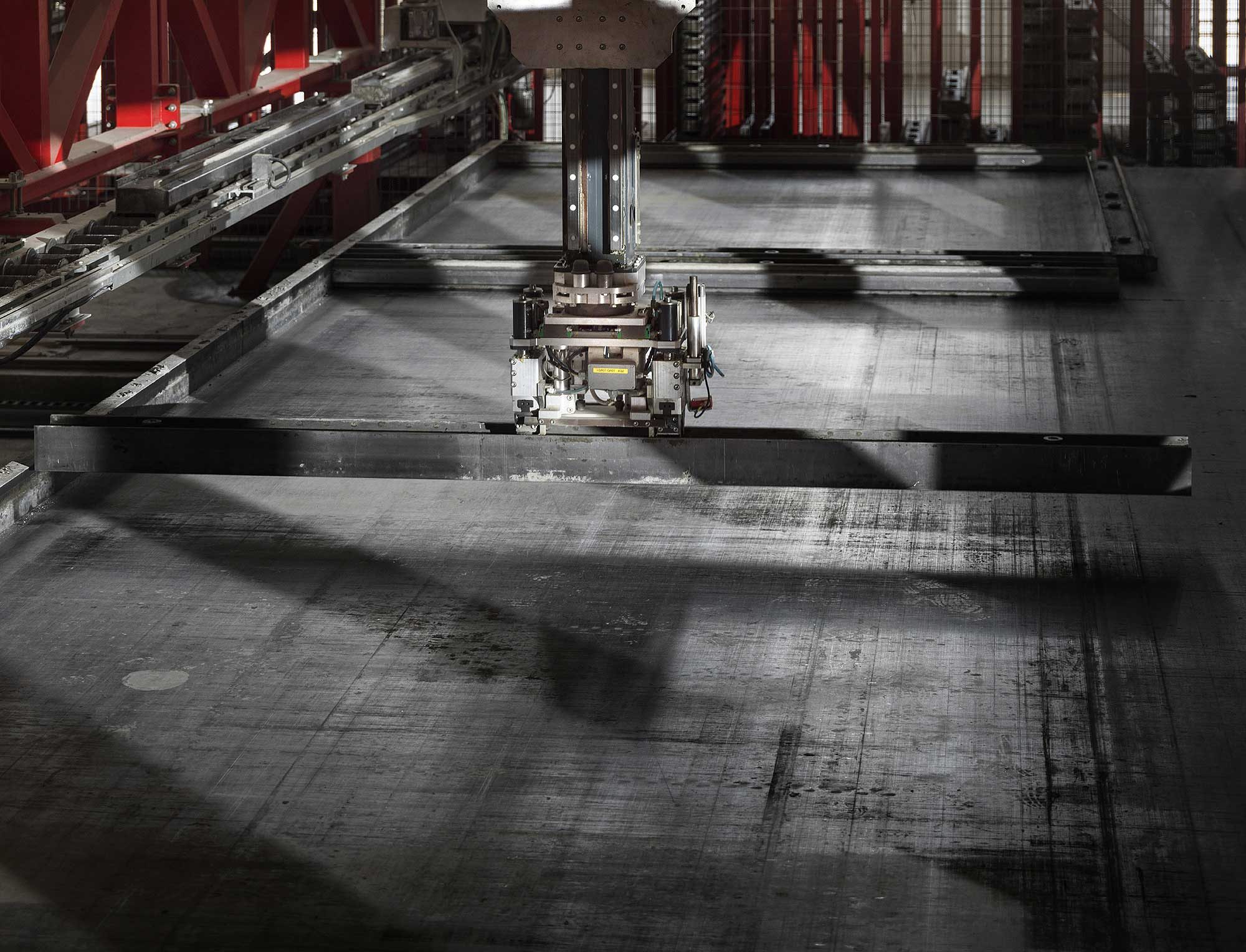
AI-BIM integrated, IoT-enabled robotics make components to tight tolerances. Production data feeds back into the system, and rooftop solar powers the factories.
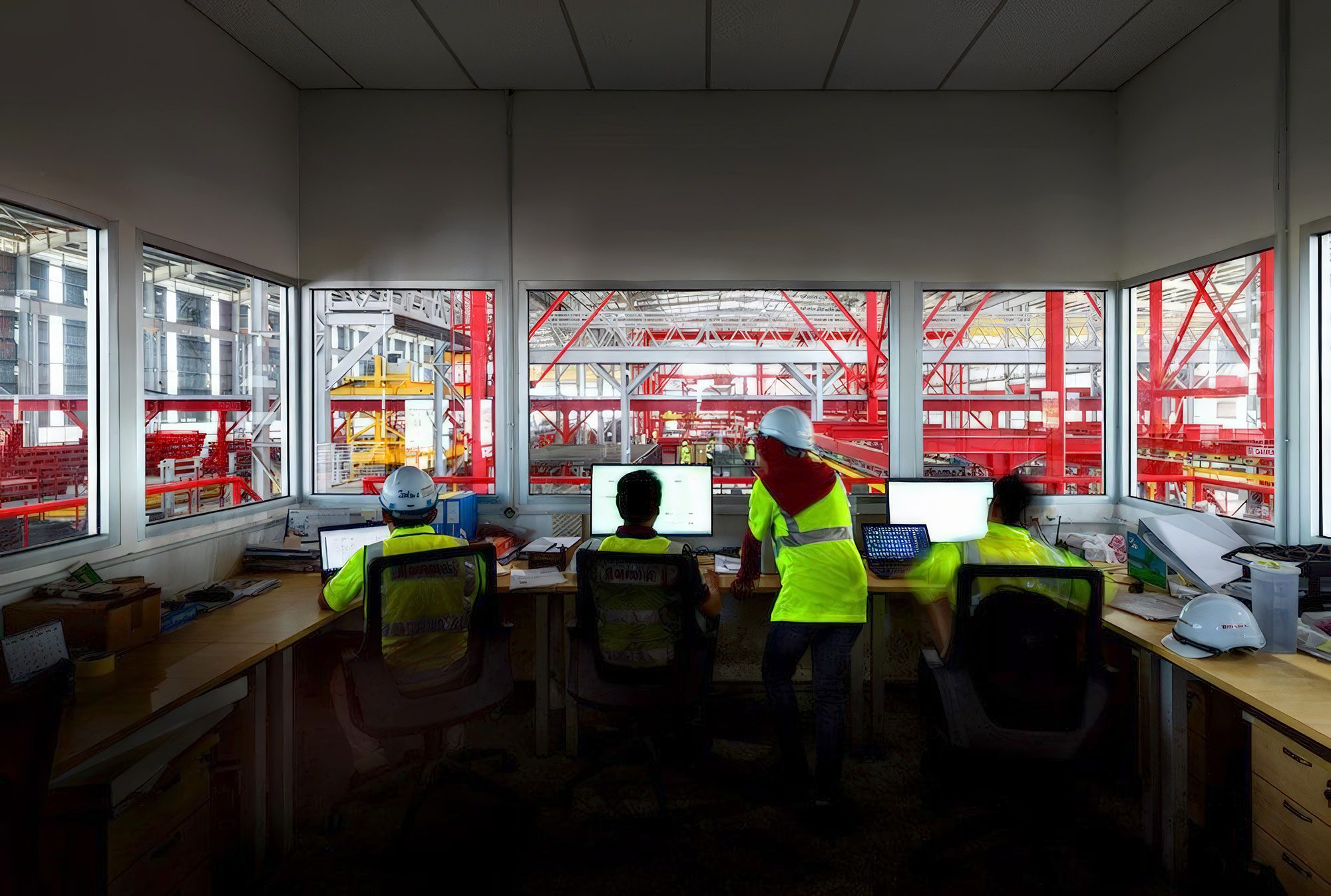
Components leave the factory in the order they're needed, some as fully formed pods. Less storage on site, fewer trucks waiting and less double handling.
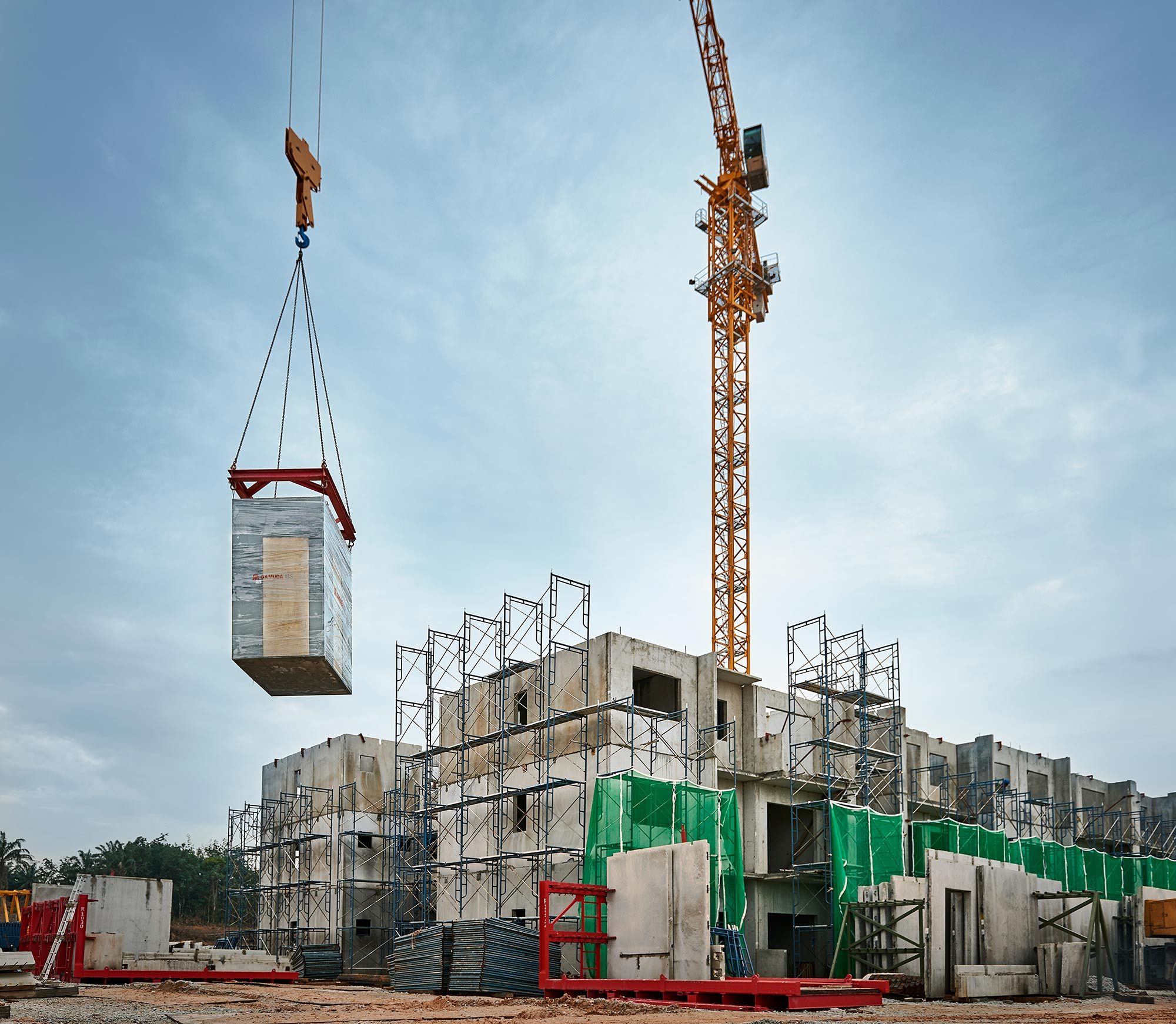
Crews lift and connect components in sequence. Work that would take weeks of formwork, steel fixing and curing happens in hours.

Inspectors use a BIM augmented reality app to check installed work against the model in real time. Productivity is tracked remotely and every result can be traced.
A hyperscale campus is the same hall, built again and again. That's exactly the kind of building a factory is good at.
Factory production runs alongside groundworks, so structure is ready when the site is. AIMS Cyberjaya Block 2 was handed over in eight months against 13 planned.
Once the parts are in the system, each new building on a campus is faster and more predictable than the last.
More work happens in the factory, under controlled conditions. That eases pressure on scarce site labour and cuts exposure to safety risk.
Every component is made to the model and checked against it. The operator gets a building with a clear digital record.
Precise production means less waste and less concrete. Gamuda reports 40% less embodied carbon, from factories running on solar.
Accurate structure makes mechanical and electrical installation faster. Services fit first time when the building matches the model.
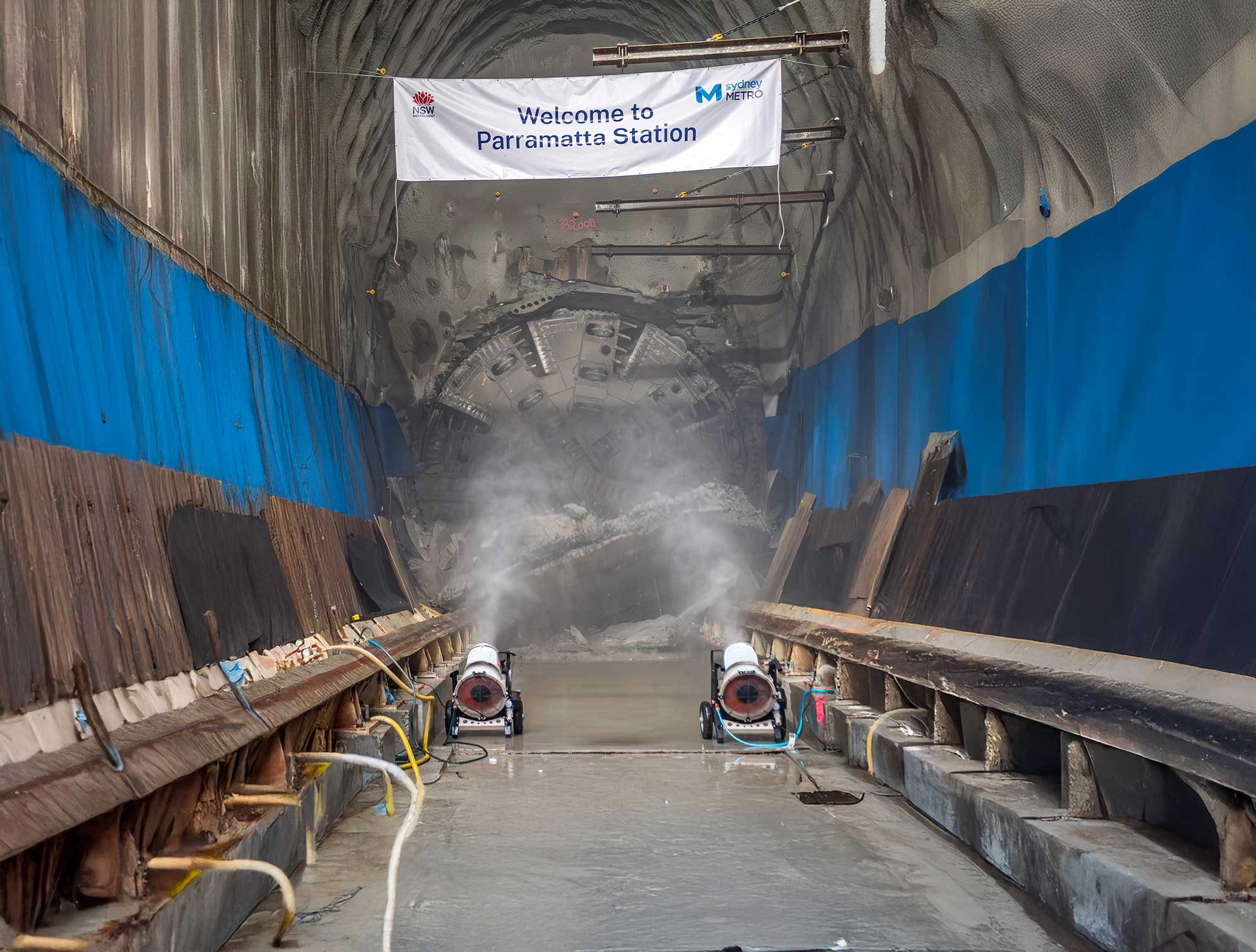
Modern methods at Gamuda go well beyond precast. The same digital approach runs through its tunnelling, rail and energy work.
The world's first autonomous tunnel boring machine, later used in Australia and Singapore.
Autodesk Construction Cloud and model-based planning on every major project. Autodesk ASEAN Innovator of the Year 2024.
A dedicated unit set up to speed up digital and AI innovation across the group.
Malaysia's first AI academy in the construction industry, building digital skills across the workforce.
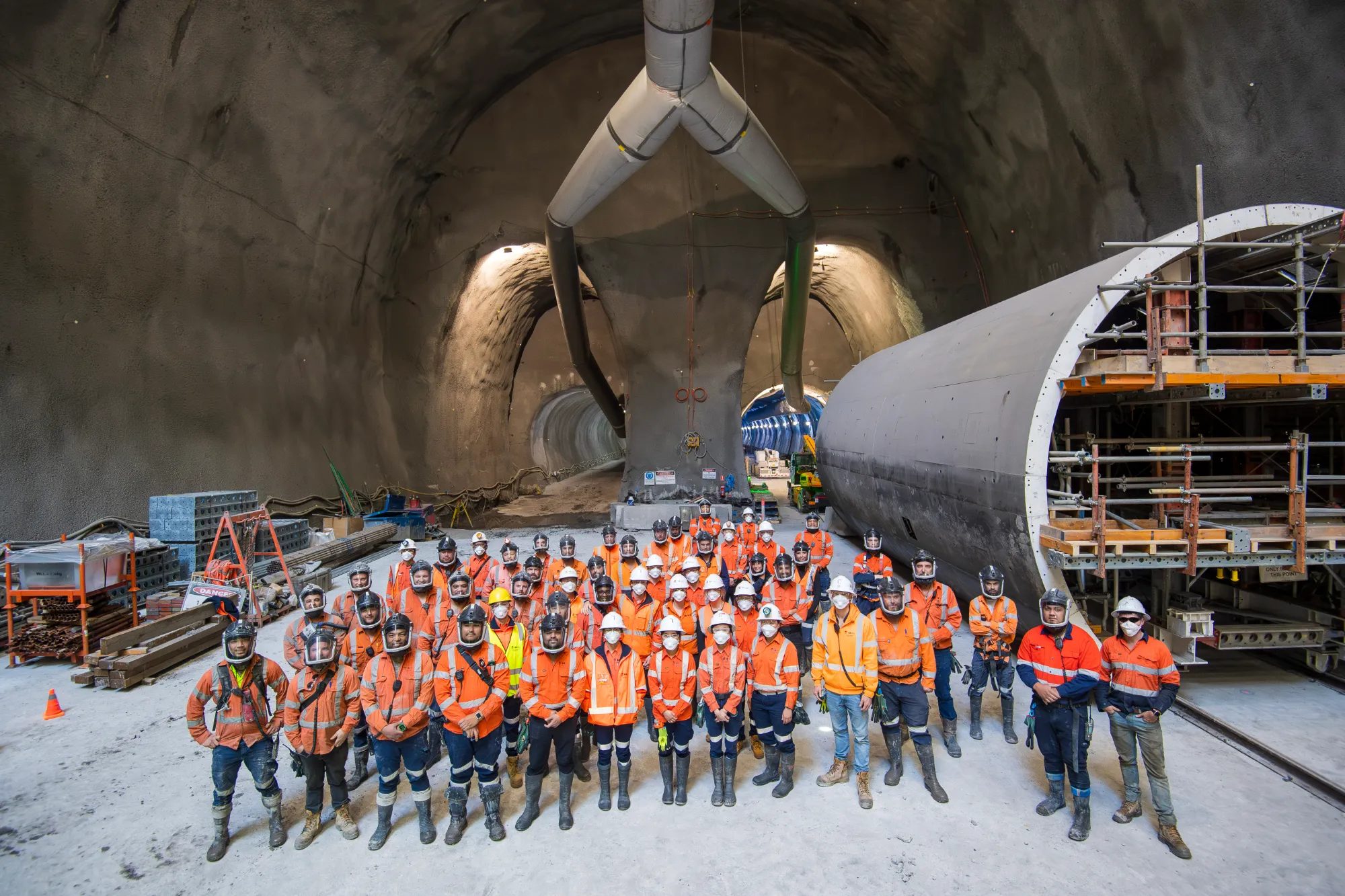
Gamuda's Australian teams already deliver with the same digital tools, from Sydney Metro West to Marinus Link. For an Australian data centre, the design-for-manufacture approach would be planned project by project, drawing on Gamuda's factories and local precast and modular suppliers.